Finasteride is a well-known drug for treating male pattern baldness (1 mg) and benign prostate enlargement or BPH (5 mg). Though it is good not to lose hair and to have the prostate treated, alternatively a lot of men are concerned about the occurrence of sexual side effects. One of the most investigated problems is the finasteride erectile dysfunction recovery.
This guide tells about the possible impact of finasteride on erectile dysfunction, its frequency, its reversibility, and what recovery actually is according to American health research.

Can Finasteride Cause Erectile Dysfunction?
Finasteride might trigger erectile dysfunction (ED) but the occurrence is rare, especially at the 1 mg dosage prescribed for hair loss. Clinical trials in the United States and FDA statistics indicate:
- Among the subjects who received 1 mg finasteride for hair loss, 1.3%–3.8% of them complained of ED
- 8.1% of men taking 5 mg finasteride for BPH reported ED
- Among the subjects who received placebo, 0.7% reported ED, thus, a small but real difference was noticed
- The risk of finasteride-induced sexual dysfunction rises with increasing dosage
- The incidence is mostly seen in the first year of treatment
So, if you are in doubt whether finasteride will lead to ED, the answer would be no for the majority of men.
How Does Finasteride Cause Erectile Dysfunction?

Since it is necessary to grasp how the finasteride causes erectile dysfunction, it is advantageous to learn about its pharmacological action.
Finasteride inhibits the 5-alpha-reductase enzyme, responsible for the conversion of testosterone into dihydrotestosterone (DHT). DHT is a factor in the development of both baldness and the male sexual drive.
The first possible explanations could be:
- Acutely reduced DHT may influence the sexual arousal pathways.
- Testosterone might get converted more into estradiol (estrogen).
- Elevated levels of estradiol might negatively affect erection and libido.
- Hormonal imbalance could create an unfavorable condition for nitric oxide signaling.
All these alterations to the original hormonal make-up do not occur in the same way to every male, which is why the incidence of ED is low and rare.

Is Finasteride Erectile Dysfunction Reversible?
Most users consider this as the most crucial question.
Definitely—Finasteride erectile dysfunction is a phenomenon that the majority of men can easily overcome.
The main points:
- Its half-life is around 5 to 6 hours for finasteride.
- The drug is completely gone from the body in a few days
- It takes a few weeks to a few months for most men to notice an improvement after stopping
- Long-term ED cases are very rare
- Research from the USA indicates that only 0.2%–1.4% of users experience persistent ED, and in rare cases, the median reported duration is as long as 1,348 days.
Therefore, if the question is whether the erectile dysfunction caused by finasteride is permanent, most men would get a “no” as the answer.
Will Finasteride Cause ED in Everyone?
No. The 1 mg dose only has an influence on less than 2% of the male population suffering from ED.
Some of the risk factors that have been recognized are:
- Age being one of the factors, the older the patient, the higher his risk
- Treatment duration that is over 205 days with no interruption
- The dosage being 5 mg instead of 1 mg
The patient already expecting such side effects might also be one of the factors they would experience them
The nocebo effect was experienced strongly in a study in the U.S.:
30.9% of the men who were informed about the possible side effects of the drug reported them
Conversely, only 9.6% of the men who were not informed about the drug having such side effects reported ED
This is a clear indication that anxiety and expectation can have a huge impact on the situation.
Finasteride Erectile Dysfunction Recovery Timeline

The recovery process is highly individualistic, but generally the timelines look like this:
- Immediate: The drug is no longer in the body within days
- Days to weeks: Many men say they see some improvement
- 1–3 months: Normal sexual functioning usually returns
- Rare cases: Approximately 1.4% of men have persistent symptoms lasting several years
A U.S. observational study concluded that:
- Men below 42 years
- Were on finasteride for more than 205 days
- Had a 4.9× increased risk of ED becoming persistent
- However, the actual risk was still very low.
Treatment Options for Finasteride-Related ED

There are several management options in case of occurrence of ED:
- Stop or reduce dosage: Always consult a doctor first before doing anything
- Switch dose: Some men find 1 mg easier to tolerate than 5 mg
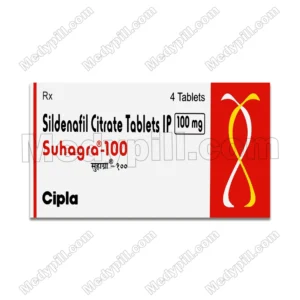
- ED medications: Sildenafil or tadalafil might be of assistance
- Lifestyle changes: Physical activity, nutritious food, stress control
- Wait and monitor: Some men get their erections back even when finasteride is continued
- Specialist care: If ED lasts for more than 3 months, consult a urologist
Is Erectile Dysfunction from Finasteride Permanent?
Permanent ED is a very rare case.
- The estimate of ED lasting 6+ months is around 0.2%–0.5%.
- Post-Finasteride Syndrome (PFS) is a matter of dispute
- It is characterized by the presence of symptoms for 3 months or more after stopping the medication.
- No clinical trials have demonstrated forever untreated ED
Most of the men with such symptoms will eventually experience some improvement from the treatment.
Conclusion
Finasteride is a powerful treatment that is common in practice, and the issue of sexual side effects is a concern indeed. The evidence indicates that recovery from finasteride-induced erectile dysfunction is the rule rather than the exception. Finasteride can lead to erectile dysfunction; however, it happens to a very small part of the total users, and in most situations, it is transient and reversible.
If such a scenario occurs, the combination of prompt action, doctor’s advice, and patience usually results in recovery for most men.