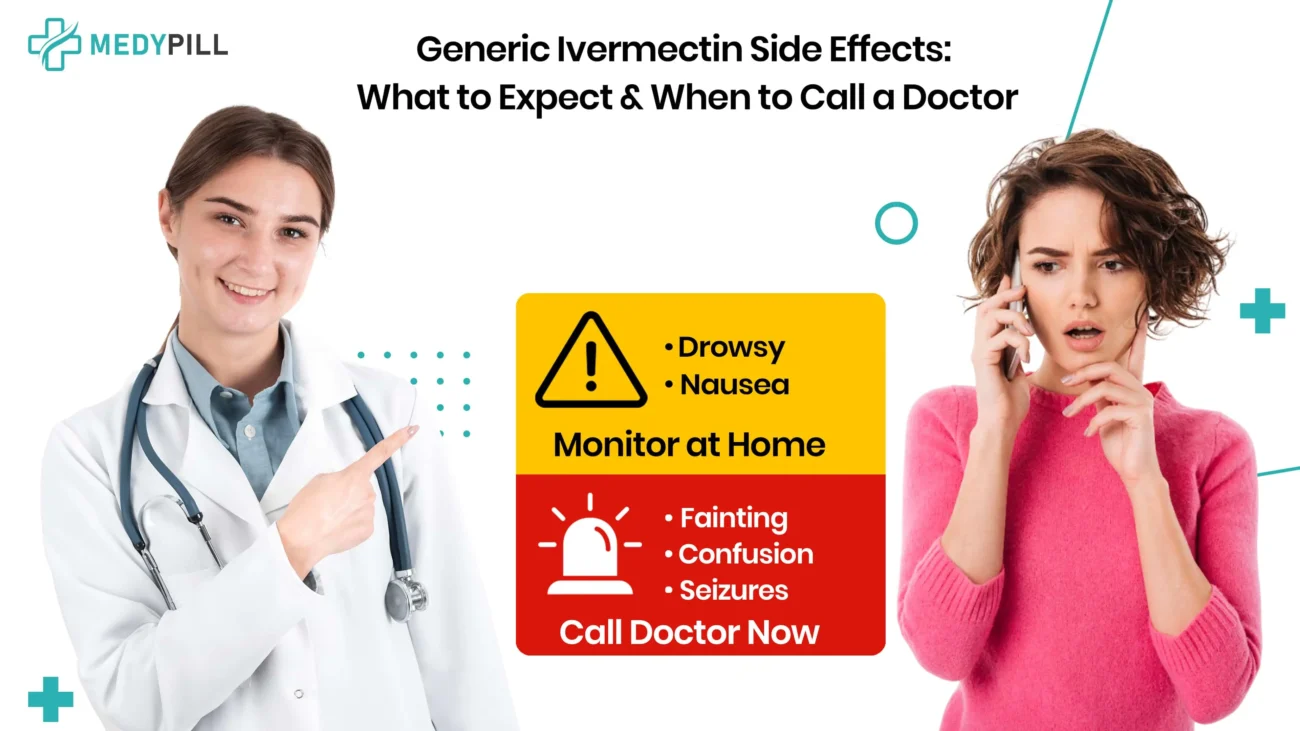


Generic ivermectin can cause mild side effects like itching or headache in about 1 in 4 users, but in rare cases, it may trigger serious reactions that need immediate medical care.
Around 25% of users report mild side effects like itching or headache, according to a study published in PMC8087035.
While most reactions are minor, some rare but serious effects require immediate medical attention.
This guide tells you what to expect and when to call a doctor.
What Is Generic Ivermectin & How It Works
Generic ivermectin works by paralyzing and killing parasites without damaging human cells.
It does this by binding to glutamate-gated chloride channels found only in parasites.
Key points about how it works:
- Targets parasites by disrupting their nervous system
- Does not harm human cells due to its selective action
- Processed by the liver through the enzyme CYP3A4
- Stays out of the brain because P-glycoprotein pumps it away from the brain barrier
This mechanism makes it effective and generally safe when used correctly.
Also see: How to Buy Cheap Medicine Online Safely
Recommended Ivermectin Dosage & Safe Use
Use depends on the condition being treated:
- Strongyloidiasis: 200 µg/kg orally, single dose
- Onchocerciasis: 150 µg/kg orally, every 3–12 months
How to take it:
- Take on an empty stomach with water
- Best taken 30 minutes before or 2 hours after food
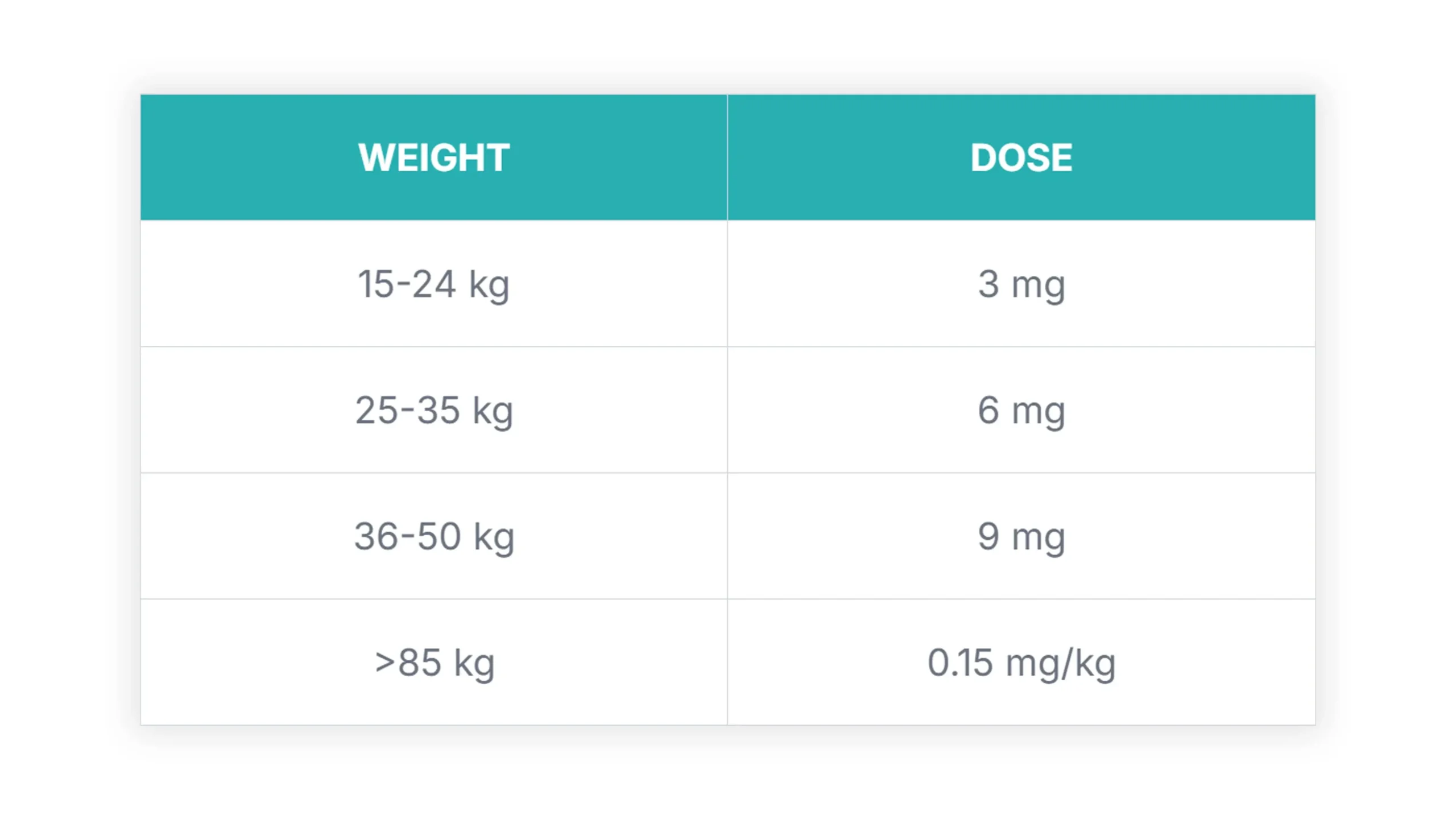
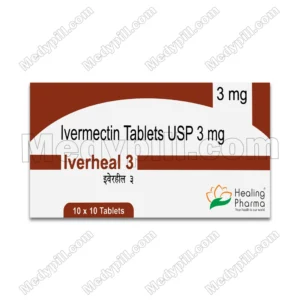
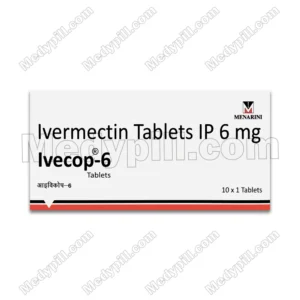
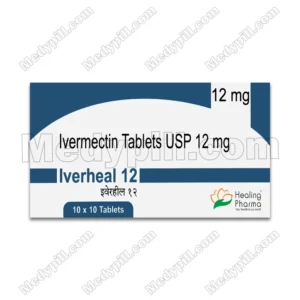
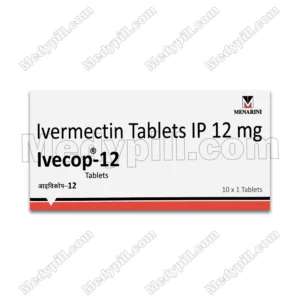
Weight-based dosing examples:
Common Side Effects of Generic Ivermectin
The most common side effects are usually mild and go away on their own. These include:
- Itching (pruritus) – 25.3%
- Headache – 13.9%
- Dizziness – 7.5%
- Nausea, diarrhea, muscle aches, joint pain, or fatigue
- Temporary changes in blood pressure or heart rate (hypotension, tachycardia)
These reactions often reflect your body’s response to dying parasites, not the drug itself.
Less Common but Concerning Ivermectin Side Effects
Some side effects, while less frequent, may need medical attention:
- Low blood pressure when standing (orthostatic hypotension)
- Chest pain
- Severe nausea, vomiting, or bloody stools
- Neurological symptoms like vertigo, poor coordination, or vision issues
- Skin rashes or blisters
- Persistent cough or breathing difficulties
Serious Ivermectin Side Effects – When to Call a Doctor
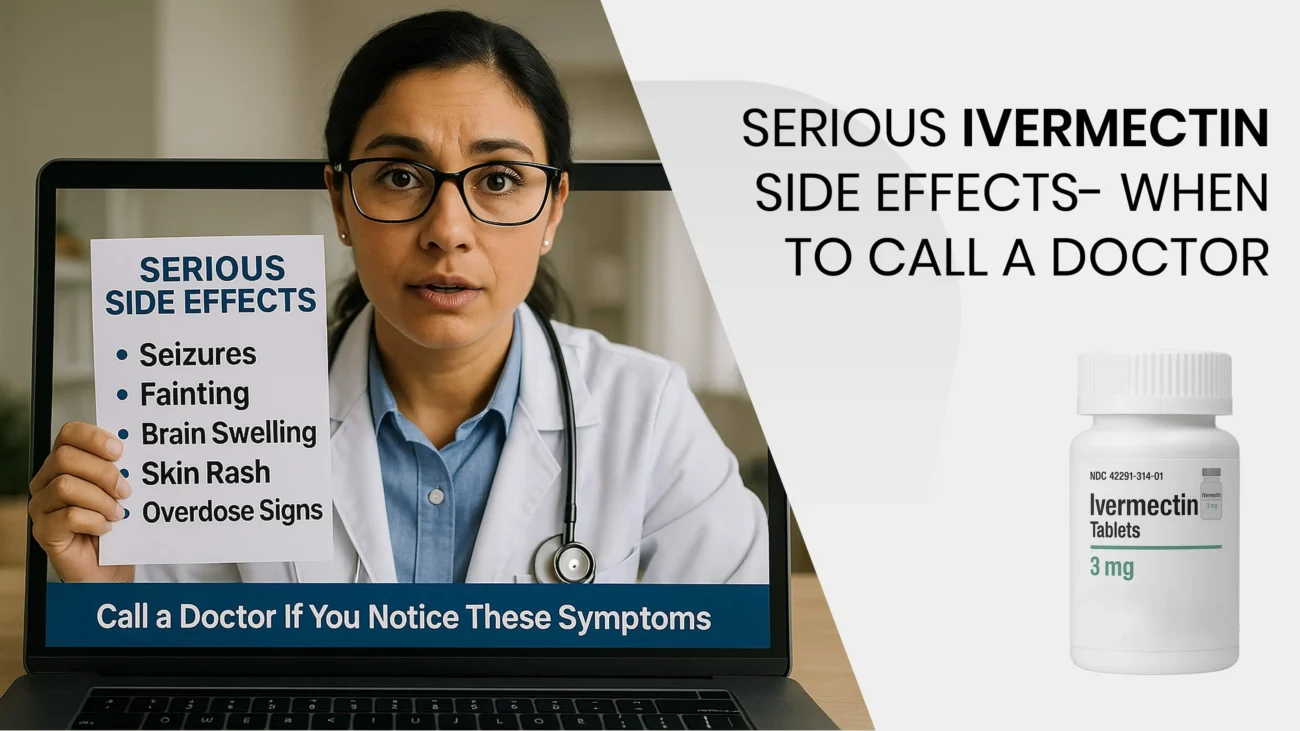
Call a doctor or go to the emergency room if you experience any of the following:
Seizures or confusion
These may signal brain swelling or irritation. In a global pharmacovigilance report, encephalopathies were noted in approximately 32.7% of serious adverse drug reactions (sADR) reports following ivermectin administration (667 out of 2,041 suspected ADRs).
Fainting or Nearly Fainting
Sudden drops in blood pressure can lead to loss of consciousness this may be tied to how your body is reacting to the medication.
Signs of Brain Inflammation
Symptoms like prolonged confusion, excessive sleepiness, or sudden changes in behavior are red flags, and can worsen quickly.
Severe Skin Reactions
Painful rashes, blisters, or peeling skin could signal conditions like Stevens–Johnson syndrome, which require immediate care.
Overdose Symptoms
These include extreme drowsiness, unsteady movement, low blood pressure, or respiratory issues, indicating too much ivermectin in your system.
Also see: What is ED? A No-Nonsense, 2-Minute Breakdown
Who Is at Higher Risk for Severe Reactions?
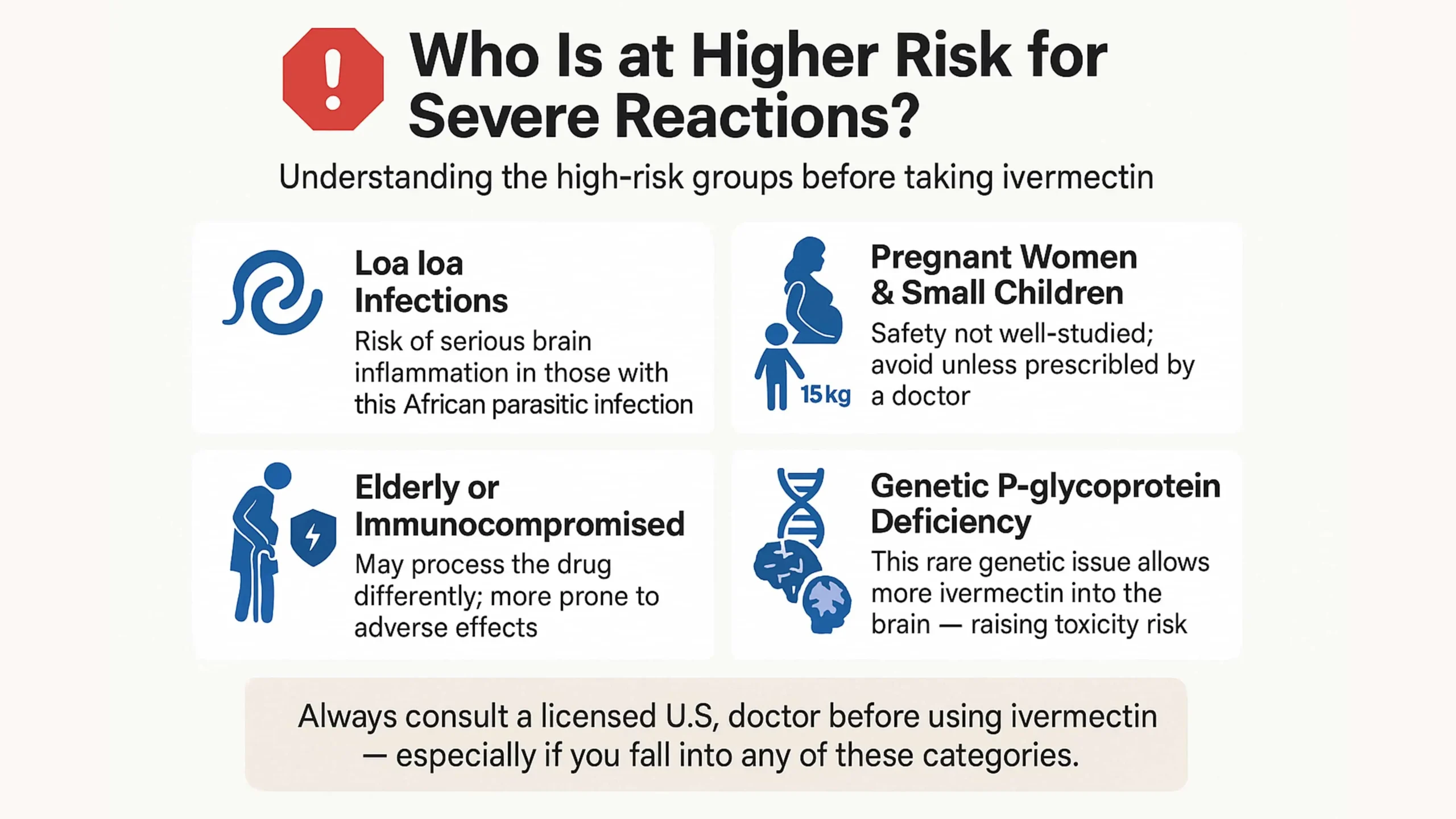
Certain groups may be more vulnerable to serious side effects:
- People with Loa loa infection (risk of brain inflammation)
- Pregnant women and children under 15 kg (not well-studied)
- Elderly individuals and those with weakened immune systems
- People with P-glycoprotein deficiency, a rare genetic condition that allows ivermectin to enter the brain more easily
Drug Interactions to Avoid with Ivermectin
Ivermectin can interact with other medications, including:
Warfarin
Taking ivermectin with warfarin can increase your risk of bleeding. You may need more frequent blood tests to stay safe.
CYP3A4 Inhibitors
Drugs like ketoconazole and erythromycin can raise the amount of ivermectin in your body. This may make side effects more likely.
CYP3A4 Inducers
Medicines such as rifampin and carbamazepine can make ivermectin less effective by speeding up how it’s broken down.
Other Drugs
Be cautious with drugs like digoxin, bosentan, or haloperidol, as they may interact with ivermectin in ways that affect your health.
Always check with your doctor or pharmacist before combining medications. A complete list is available on Drugs.com.
Related: Most Complete List of New ED Medications
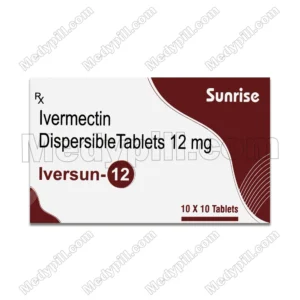
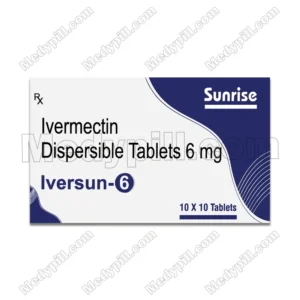
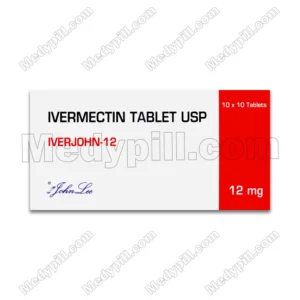
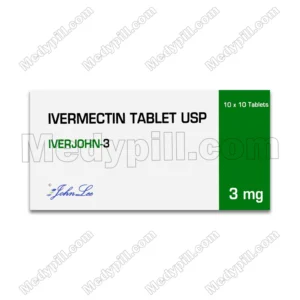
Tips for Buying Generic Ivermectin Safely
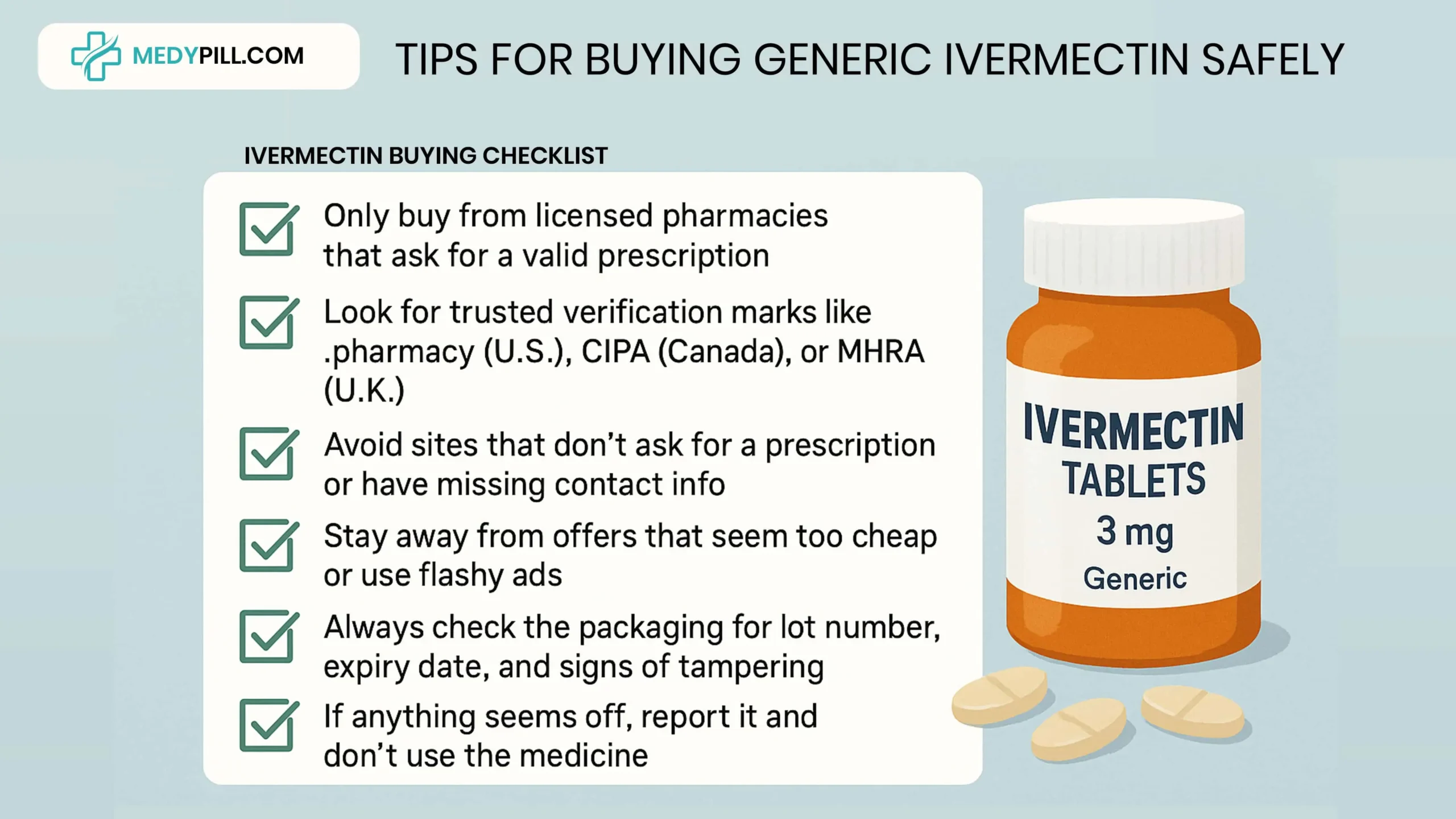
- Only buy from licensed pharmacies that ask for a valid prescription.
- Look for trusted verification marks like .pharmacy (U.S.), CIPA (Canada), or MHRA (U.K.).
- Avoid sites that don’t ask for a prescription or have missing contact info.
- Stay away from offers that seem too cheap or use flashy ads.
- Always check the packaging for lot number, expiry date, and signs of tampering.
- If anything seems off, report it and don’t use the medicine.
Important: Counterfeit rates can be as high as 50% for online ivermectin sources. Always inspect the packaging and report anything suspicious.
Related: Cialis vs. Levitra for Erectile Dysfunction: Which Is More Effective, Safer & Right for You?
Conclusion
Generic ivermectin is effective and generally safe when used as prescribed. Mild side effects are common, but serious reactions are rare.
Knowing what symptoms to expect, who is at higher risk, and how to use and buy the medication safely can help you get the most benefit while staying protected.
Always consult a doctor before starting ivermectin and seek immediate care if you notice any severe symptoms.
Also: Does Viagra Make You Harder? How It Works & What to Expect
FAQs
What is generic ivermectin, and how does it work?
Generic ivermectin is an antiparasitic medication that works by paralyzing and killing parasites. It targets glutamate-gated chloride channels found in parasites, which human cells don’t have, making it effective and generally safe when taken correctly.
What is the recommended dosage for generic ivermectin?
Dosage depends on the condition and body weight. For example, strongyloidiasis requires 200 µg/kg in a single dose, while onchocerciasis needs 150 µg/kg every 3–12 months. It should be taken on an empty stomach with water, ideally 30 minutes before or 2 hours after a meal.
What are the common side effects of generic ivermectin?
Mild side effects occur in about 25% of users and include itching, headache, dizziness, nausea, diarrhea, muscle aches, joint pain, and temporary changes in blood pressure. These effects are usually short-lived and reflect your body’s reaction to dying parasites.
What are less common but concerning side effects?
Less frequent side effects include orthostatic hypotension (low blood pressure when standing), chest pain, severe nausea or vomiting, blurred vision, skin rashes, and persistent coughing. These may require a doctor’s attention, especially if they worsen.
When should I seek emergency care while taking ivermectin?
Seek immediate medical attention if you experience seizures, fainting, confusion, excessive sleepiness, severe rashes, or overdose symptoms like extreme drowsiness and breathing difficulty. These may signal serious complications such as brain inflammation or allergic reactions.
Who is at higher risk for severe reactions to ivermectin?
People with Loa loa infection, children under 15 kg, pregnant women, the elderly, and those with immune deficiencies or P-glycoprotein deficiency are more vulnerable to serious side effects and should only take ivermectin under strict medical supervision.
What drug interactions should I watch out for with ivermectin?
Avoid combining ivermectin with warfarin, CYP3A4 inhibitors like ketoconazole, or inducers like rifampin. Other risky combinations include digoxin, bosentan, and haloperidol. Always consult a healthcare provider before mixing medications.
Can Ivermectin be taken with food?
It’s best taken on an empty stomach, about 30 minutes before or 2 hours after eating, to improve absorption and effectiveness.
How can I safely buy generic ivermectin online?
Only purchase from licensed pharmacies that require a prescription. Look for verification seals like .pharmacy, CIPA, or MHRA. Avoid suspiciously cheap products or sites without clear contact information. Always inspect the packaging for signs of tampering.
Is generic ivermectin safe for most people?
Yes, it is generally safe when prescribed and used as directed. Most people experience only mild side effects. However, understanding risk factors, interactions, and warning signs can help ensure safe use and prompt response if problems arise.